(Last Update: 11/25/2025)
Choosing a mattress becomes especially important when you’re living with chronic pain. The right sleep surface can reduce pressure on sensitive joints, maintain healthy spine alignment, and help you fall asleep faster by minimizing discomfort during the night.
It’s also important to consider your entire bedding setup—including pillows, sheets, and other sleep accessories—since upgrading your bedding as a whole can significantly improve comfort and support for those with chronic pain.
On the other hand, an unsupportive or aging mattress can worsen muscle stiffness, amplify back or hip pain, and make it harder to stay asleep long enough to recover.
Because every pain condition and body type responds differently to firmness, materials, and support levels, understanding what truly matters can help you make a more confident choice.
This guide breaks down the essential features, mattress types, and sleep-position considerations to help chronic pain sufferers find consistent comfort and long-term relief.
Introduction to Chronic Pain and Sleep
Chronic pain is a widespread issue that affects millions of people and can have a profound impact on sleep quality. When pain is persistent, it often becomes difficult to fall asleep, stay asleep, or achieve the deep, restorative rest needed for overall well-being.
The discomfort caused by chronic pain can disrupt the body’s natural sleep-wake cycle. As a result, many people with chronic pain experience fatigue, mood changes, and increased irritability, all of which can further interfere with sleep.
How Pain Impacts Sleep Quality and Why the Right Mattress Matters
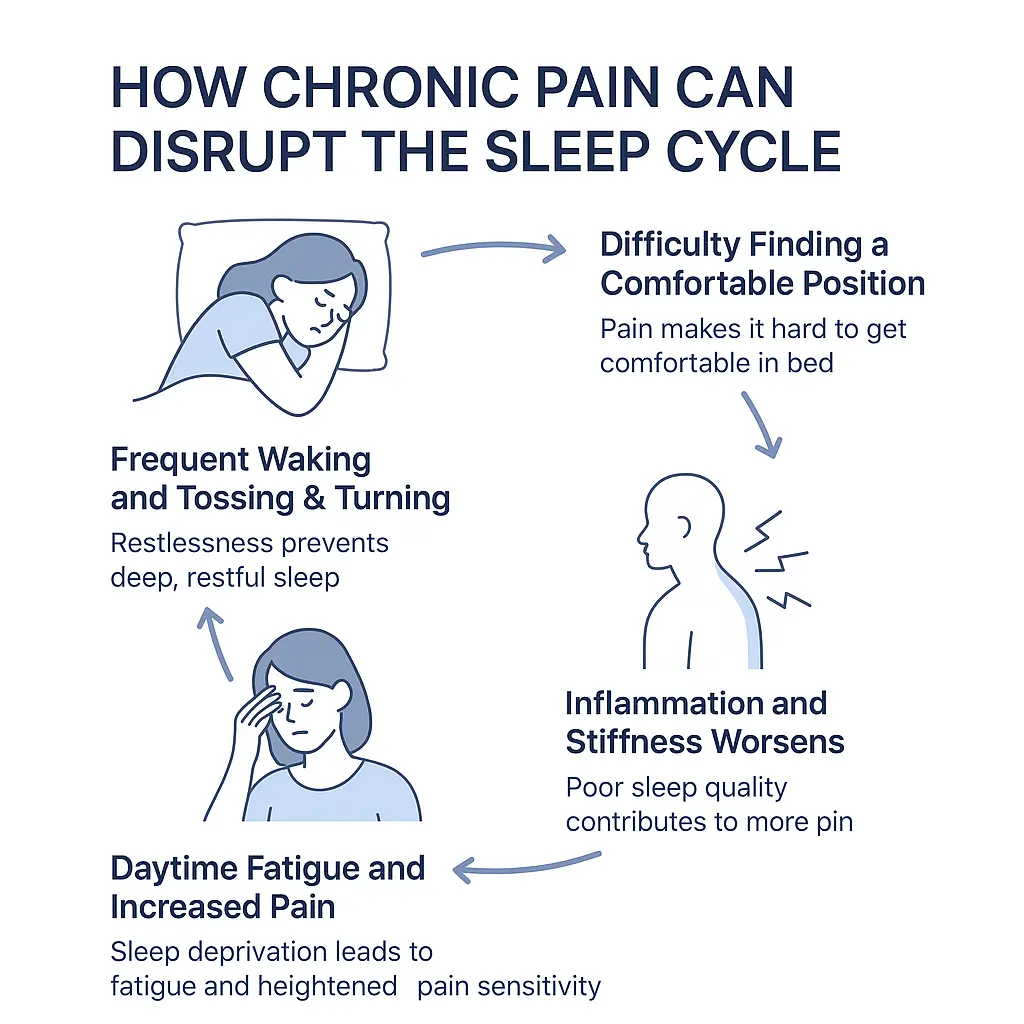
Chronic pain disrupts sleep by making it difficult to maintain comfortable positions or transition smoothly throughout the night.
When the body cannot follow its natural curves, pressure builds in sensitive areas, leading to restlessness and light, fragmented sleep. Over time, this cycle makes pain a common complaint among people who struggle with nighttime discomfort.
For readers needing personalized support and better spine alignment, an adjustable firmness mattress allows you to fine-tune comfort layers, add more support when pain flares, and maintain a stable firmness level for chronic back pain.
How Pain Disrupts Deeper Sleep
- Difficulty settling into a neutral posture causes recurring awakenings.
- Stiffness limits movement and locks the body into stressful positions.
- Poor sleep quality increases inflammation and heightens pain sensitivity.
- Long-term discomfort reduces the body’s ability to restore muscle tissue.
By choosing a mattress that supports alignment and reduces unnecessary strain, you help your muscles relax and recover more effectively. A surface that adapts to your posture and eases tension can significantly improve nighttime comfort and overall well-being.
Understanding Mattress Types for Chronic Pain Relief
Each mattress type supports the body differently, and knowing how they function helps you choose one that minimizes pressure and improves movement.
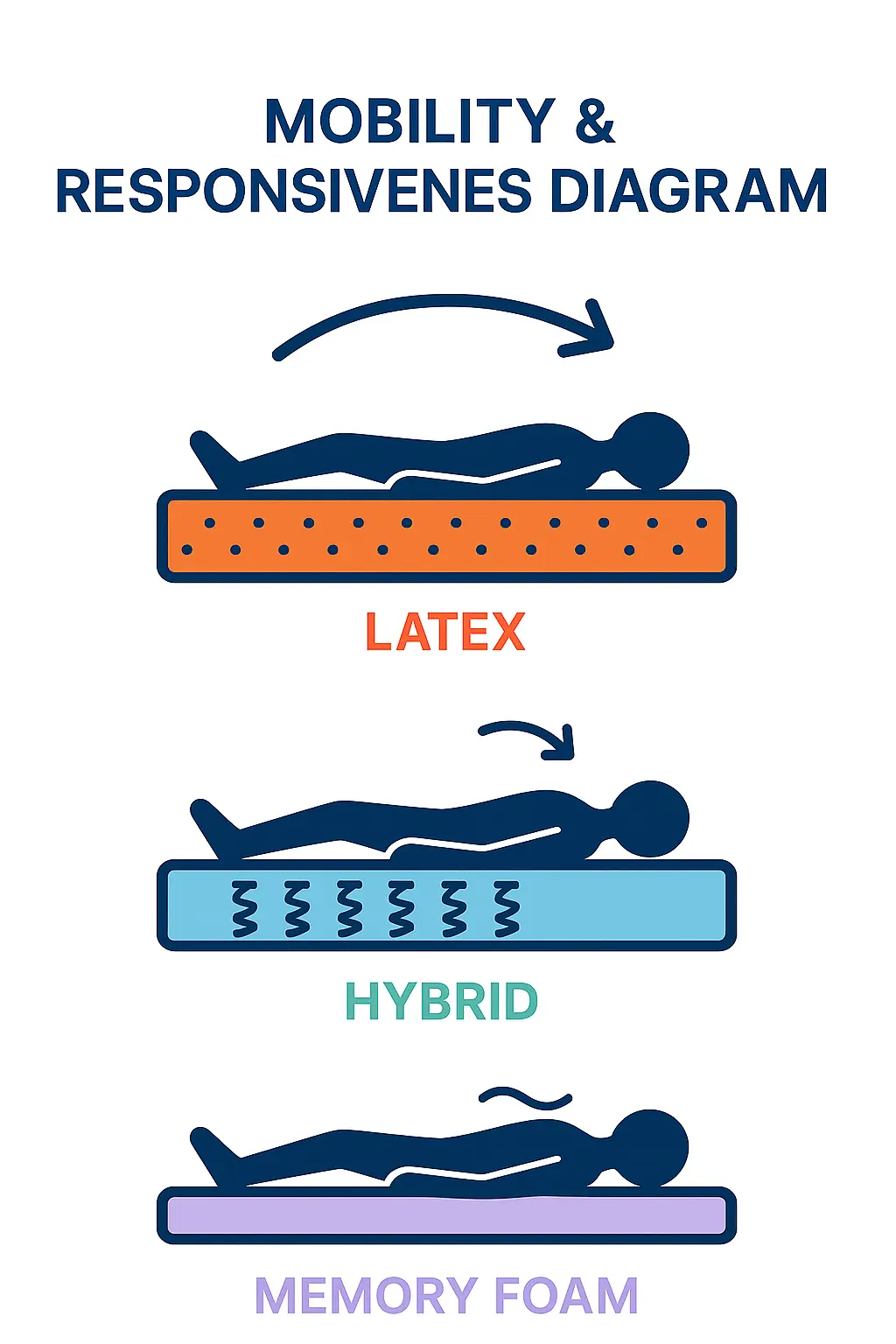
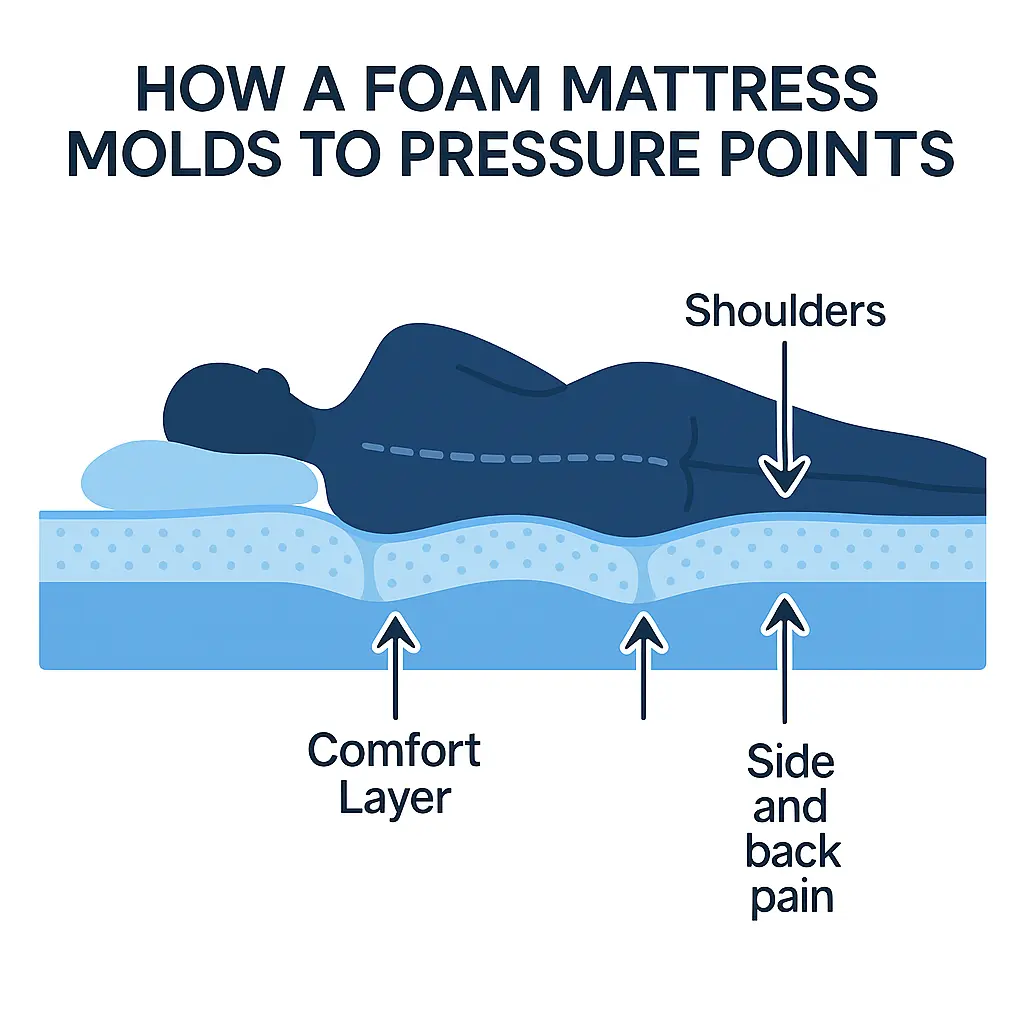
Memory foam is especially helpful because foam molds closely to the body’s natural shape, relieving stress around the hips, shoulders, and lower back. Hybrids and latex provide more bounce and structure, making movement easier.
If your mattress feels too firm or uneven, this guide on the top backache mattress toppers shows how foam molds to pressure points and restores balanced support for chronic back and hip pain.
How Mattress Materials Behave Under Pressure
- Memory foam contours deeply as foam molds to pressure points.
- Latex offers buoyancy and helps maintain the body’s natural curves.
- Hybrids provide firmer support from coils with foam comfort layers.
- Innerspring designs improve airflow and create a stable, traditional feel.
Choosing between these materials depends on whether you need deeper contouring, easier mobility, or enhanced back support. Understanding these differences gives you the full details you need to make a confident, pain-reducing choice.
If you prefer deep contouring, the Loom & Leaf mattress offers premium memory foam that supports natural curves, reduces shoulder pain, and provides excellent pressure relief for chronic back pain.
Choosing a Mattress Based on Your Sleeping Position
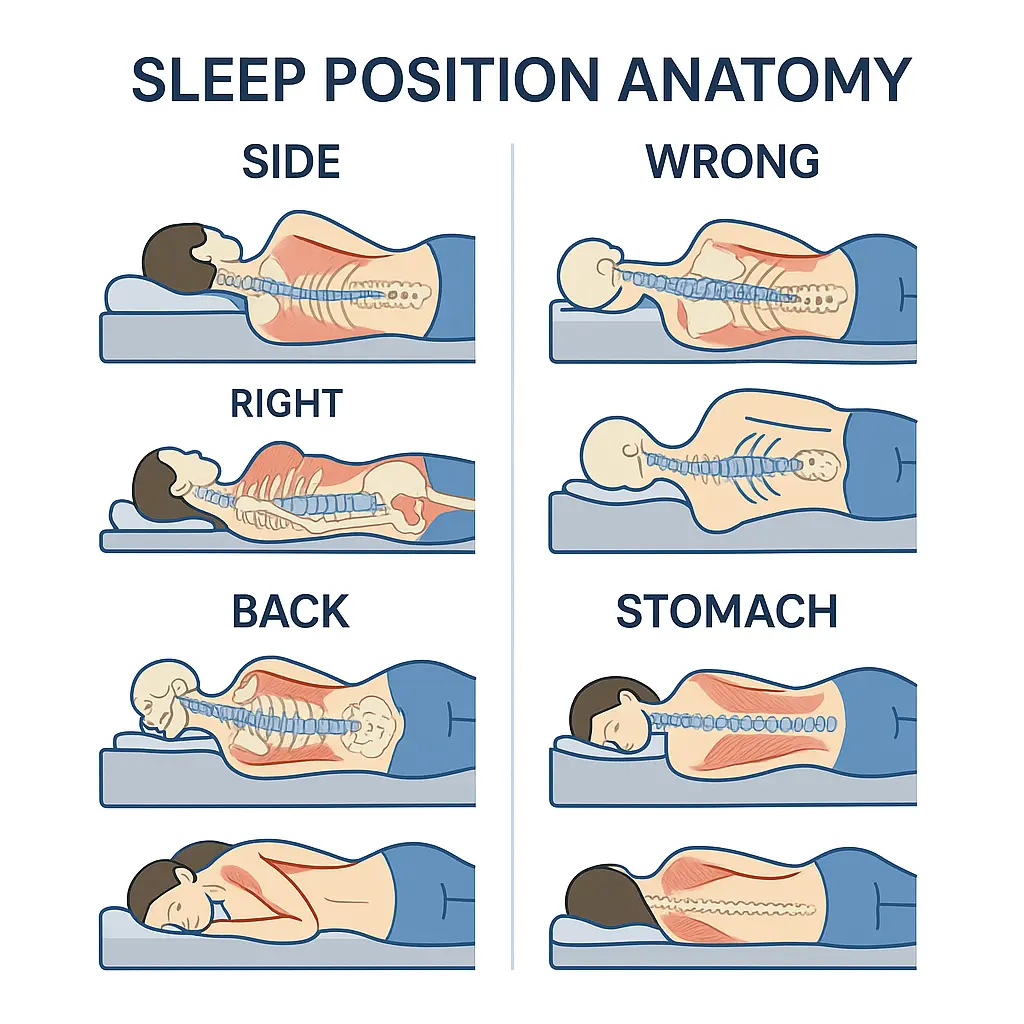
Your sleeping position determines how your body interacts with the mattress and where pressure builds during the night.
Back sleepers often need firmer support around the lumbar area, while side sleepers rely on cushioning that follows the body’s natural curves. Stomach sleepers require a surface that prevents over-arching of the spine and excessive sinking.
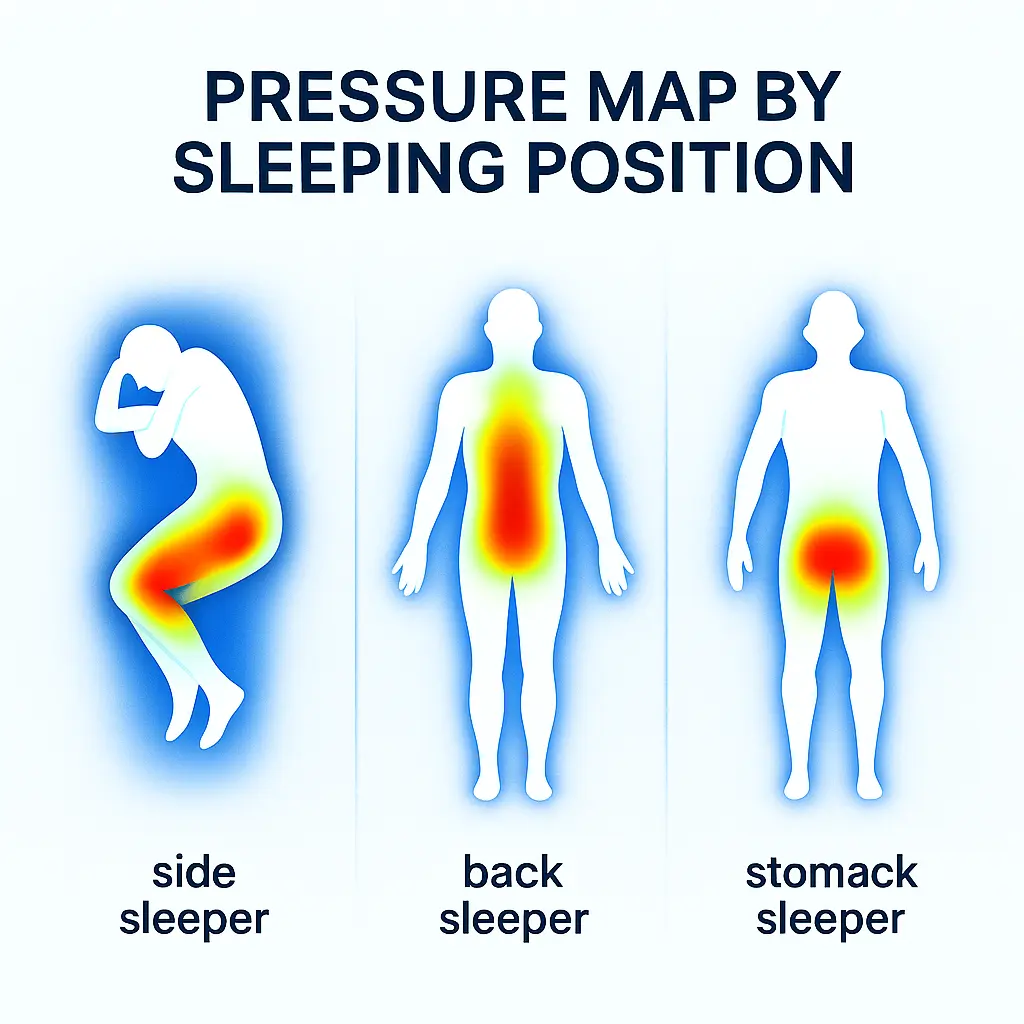
Those who sleep on your side often require deeper contouring to ease pressure along the shoulders and hips, while sleepers in stomach positions generally need a flatter surface that prevents the midsection from dipping. Sleepers who rotate from one side to the other side benefit from responsive comfort layers that support a smooth transition without disturbing alignment.
Sleep Position Needs at a Glance
- Back sleepers: balanced support to maintain neutral posture.
- Side sleepers: pressure relief where foam molds around hips and shoulders.
- Stomach sleepers: firmer support to prevent lower-back strain.
- Combination sleepers: responsive materials for easy movement.
Matching your mattress to your sleeping position minimizes tension and makes it easier to stay comfortable throughout the night. This approach solves one of the most common complaints among chronic pain sufferers: waking up stiff, sore, or misaligned.
If inflammation worsens your chronic back pain, this guide on the best mattress for allergies explains how organic materials and hypoallergenic foam reduce irritation, improve sleep quality, and prevent nighttime discomfort or stiffness.
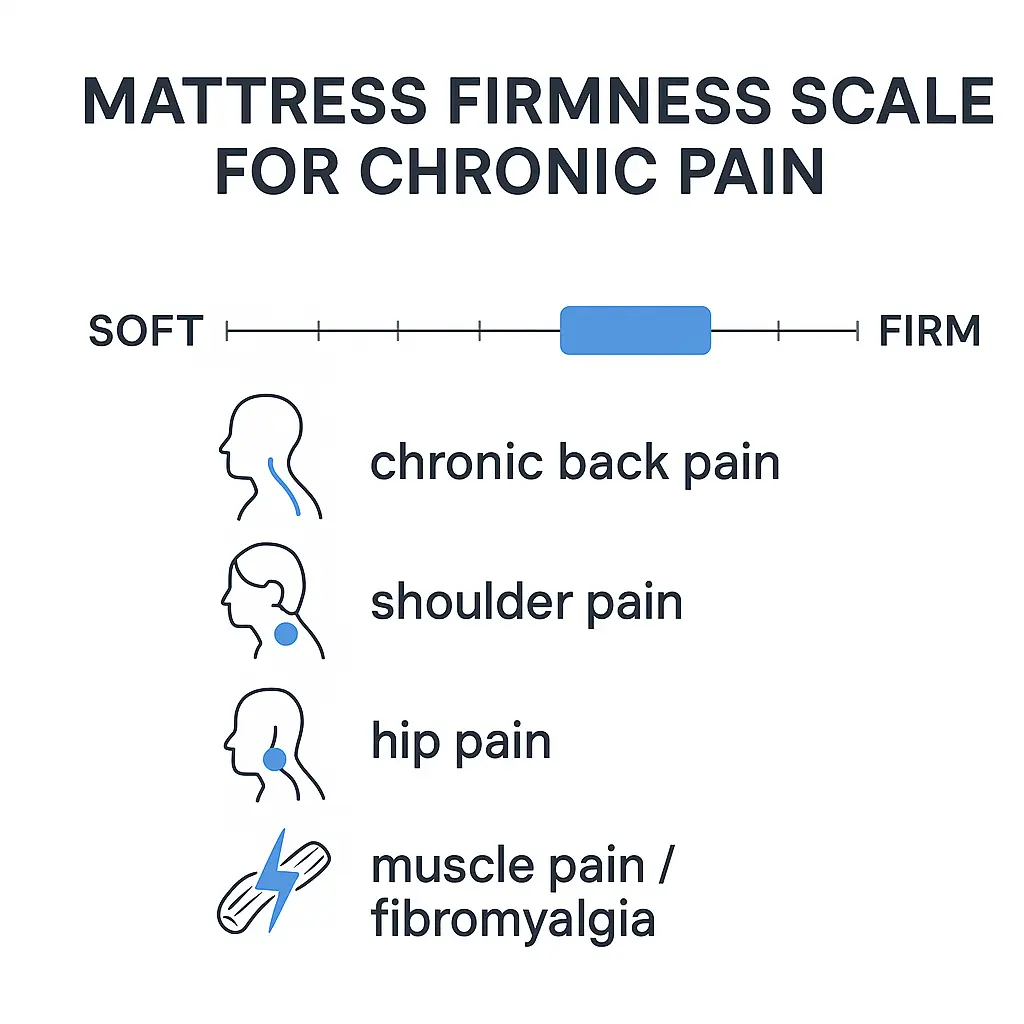
Best Mattress Firmness for Each Type of Chronic Pain
Why Medium-Firm Surfaces Often Work Best
Research consistently shows that a medium-firm surface provides the most balanced combination of support and pressure relief for many people living with chronic pain.
This feel allows the spine to maintain more natural curves while preventing excessive sinkage, which is especially important for back sleepers who need a stable sleep surface.
A mattress that feels too soft can allow the body to “dip” into the comfort layers, reducing targeted support and contributing to morning stiffness. Medium-firm mattresses are often recommended because they distribute weight more evenly, accommodate different body types, and provide adequate cushioning without compromising spinal alignment.
Many mattresses in this category feature memory foam comfort layers, zoned lumbar support, or hybrid designs to enhance stability and reduce pressure buildup in key areas such as the shoulders, hips, and lower back.
Many brands now offer three firmness options, allowing sleepers to choose a feel tailored to their preferences and pain profile. People with different discomfort patterns or different firmness needs can select the model that best aligns with their body types, ensuring the mattress maintains consistent support across the entire sleep surface.
When Firmer Mattresses Are a Better Fit
For some sleepers, particularly those with lower back pain or who carry more body weight, firmer mattresses can offer greater benefits.
A firmer surface keeps the hips elevated and prevents the midsection from sagging into the bed, which helps maintain spine alignment throughout the night.
People who sleep on their backs and stomachs often find that a firmer mattress offers robust support, reduces the feeling of sinkage, and helps them avoid the “stuck” sensation that can occur with softer mattresses.
Firmer models, especially those using pocketed coils and a responsive feel, create a more stable surface that makes shifting positions easier for individuals who struggle with mobility or pain flare-ups.
Sleepers searching for a mattress for back pain often need a model that maintains strong alignment while still offering contouring at the top of the mattress.
A well-balanced hybrid or medium-firm surface can reduce lower back pain by distributing weight evenly and minimizing pressure on the lumbar curve.
For many people, the best mattress for back pain is one that blends cushioning with stability, ensuring sleepers feel supported when changing positions at night.
When Softer Mattresses or Plush Pillow Tops Can Help
Some sleepers benefit from softer mattresses with deeper cushioning, especially side sleepers experiencing tension in the shoulders and hips. Excessively firm surfaces may fail to provide enough pressure relief, leading to pain or numbness in sensitive areas.
A plush pillow top, foam mattress with enhanced contouring, or memory foam comfort layer can reduce friction around the joints and improve comfort throughout the night.
Softer designs are particularly beneficial for individuals with fibromyalgia, arthritis, or chronic joint discomfort because they provide sufficient cushioning to accommodate the body's natural curves.
Occasional advantages of softer surfaces include:
- Helping disperse pressure for lighter-weight sleepers
- Reducing discomfort around protruding joints
- Providing deep cradling without losing full-body support
Choosing the ideal firmness ultimately depends on pain type, weight distribution, and preferred sleeping position, which is why models offering multiple firmness options can be especially valuable.
Matching Mattress Features to Specific Types of Chronic Pain
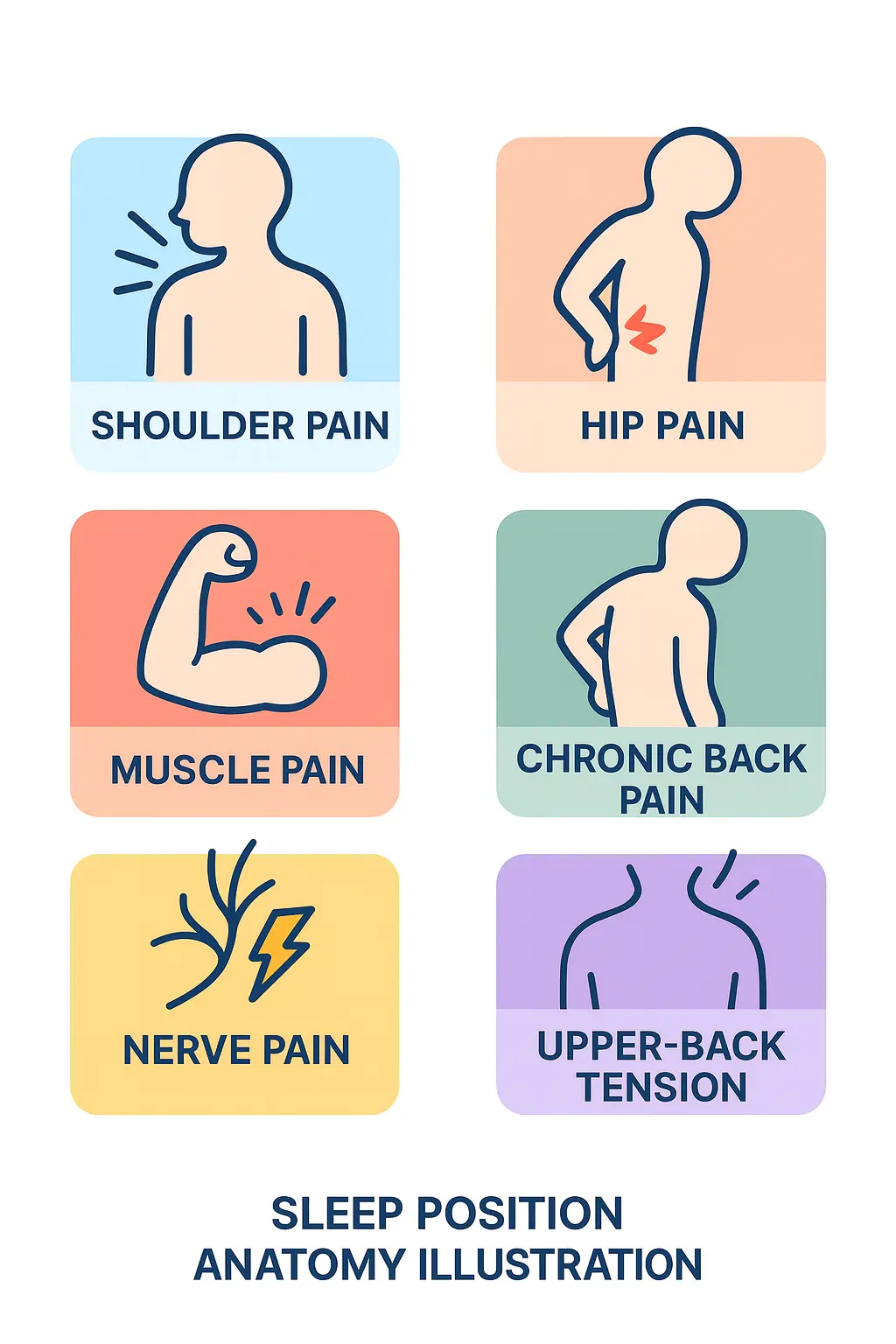
Different pain locations require different mattress characteristics, so choosing features that match your symptoms is essential.
For example, lower-back pain often improves with firmer support, while hip or shoulder discomfort responds better when foam molds closely to the joints. Understanding how each feature reduces strain helps you find targeted relief.
What Your Pain Type Needs from a Mattress
- Lower back pain: stable support that keeps natural curves aligned.
- Hip pain: deeper cushioning for reduced pressure.
- Shoulder pain: contouring relief, since shoulder pain is a common complaint.
- Muscle pain: consistent softness and motion isolation across the surface.
Chronic pain sufferers who wake easily may benefit from strong motion isolation; this list of the best mattresses for couples highlights foams and pocketed coils engineered to reduce movement transfer and protect a good night’s sleep.
A mattress tailored to your pain pattern encourages deeper rest and reduces overnight stress on sensitive areas. With full details on how each feature affects your body, you can confidently select a surface that supports recovery rather than worsening discomfort.
Motion Isolation, Edge Support & Stability for Pain Relief
Why Motion Isolation Matters for People With Chronic Pain
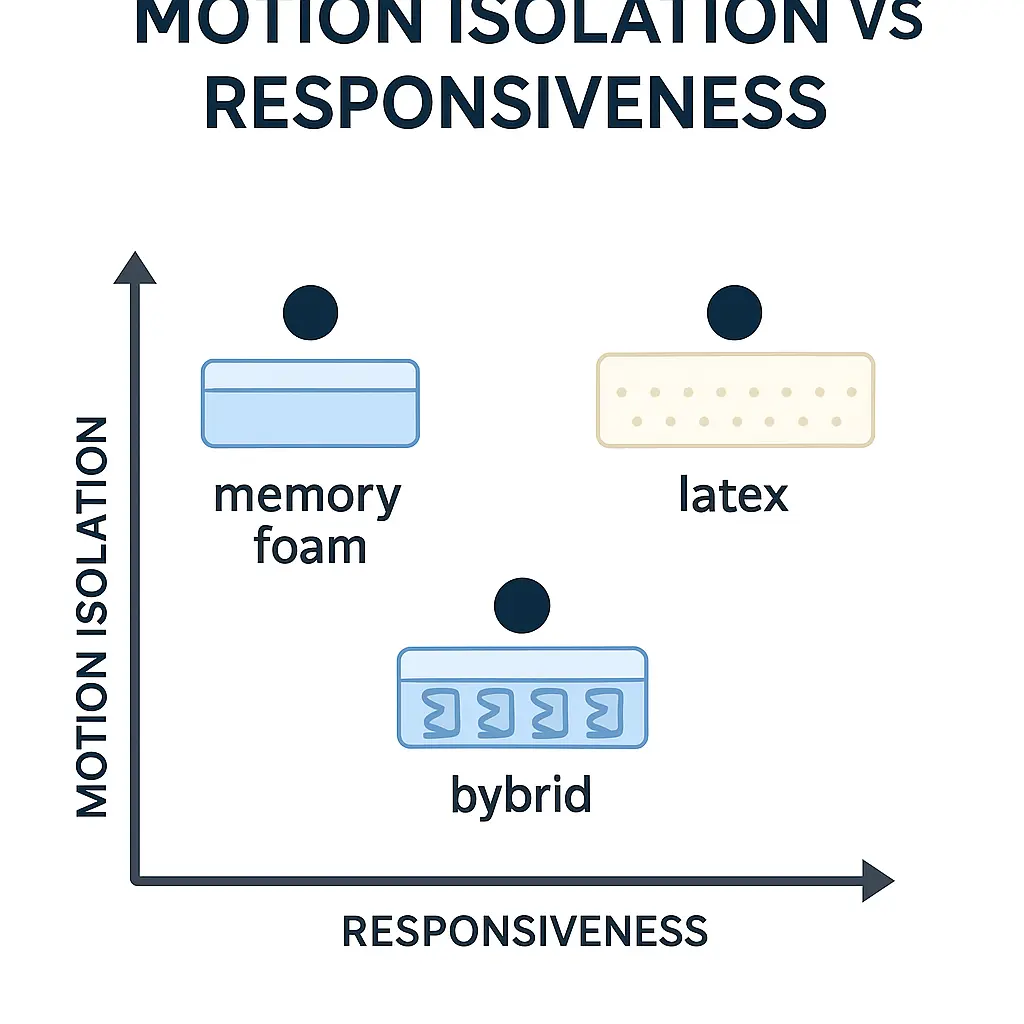
Sleepers living with chronic pain often experience more nighttime awakenings, and even small movements from a partner can disrupt the sleep cycle. Mattresses with strong motion isolation help absorb movement across the surface, preventing vibrations from spreading.
Memory foam mattresses perform exceptionally well in this area, while hybrid models with pocketed coils also offer better motion reduction than traditional innerspring mattresses.
For people dealing with back pain, hip pain, or body pains linked to inflammation, fewer disturbances throughout the night can contribute to deeper rest and more restorative sleep.
People sharing a bed often need a mattress that offers better motion isolation, particularly when chronic pain causes frequent position changes. Foam-heavy hybrids and modern memory foam models can absorb motion effectively, allowing partners to rest undisturbed throughout the night.
Many premium models also deliver great motion isolation, which helps maintain deeper, more restorative sleep cycles.
The Role of Edge Support in Mobility and Stability
Edge support is especially important for sleepers who have trouble getting in and out of bed or shifting positions.
Mattresses with sturdy edge support create a more stable surface, reducing the sensation of rolling off the edge. This stability can be particularly helpful for individuals with lower back pain or limited mobility because they can use the edge of the bed comfortably without excessive sinkage.
Many hybrid mattresses and luxury firm models feature reinforced coils along the perimeter to enhance edge support, making them an excellent option for sleepers who want a more secure, supportive mattress.
How Stability Helps Reduce Pain and Improve Comfort
A stable mattress surface reduces strain on the spine and encourages proper alignment.
Mattresses that feel too soft may allow the body to sink unevenly, while overly firm models can create pressure points along the shoulders and hips.
Quality sleep often depends on finding a mattress that combines just enough cushioning with enough support to maintain a neutral spinal posture.
Stability also helps sleepers avoid feeling “stuck” in one position, which is especially important for individuals with chronic conditions who may need to shift frequently throughout the night to stay comfortable.
Chronic pain sufferers frequently benefit from models offering excellent edge support, especially when sitting or lying near the perimeter.
A mattress that maintains minimal sinkage along the edges can help sleepers feel secure and reduce strain when getting in or out of bed.
For people who prefer firmer designs, hybrids with reinforced coils often provide great support in both the center and the edge of the bed.
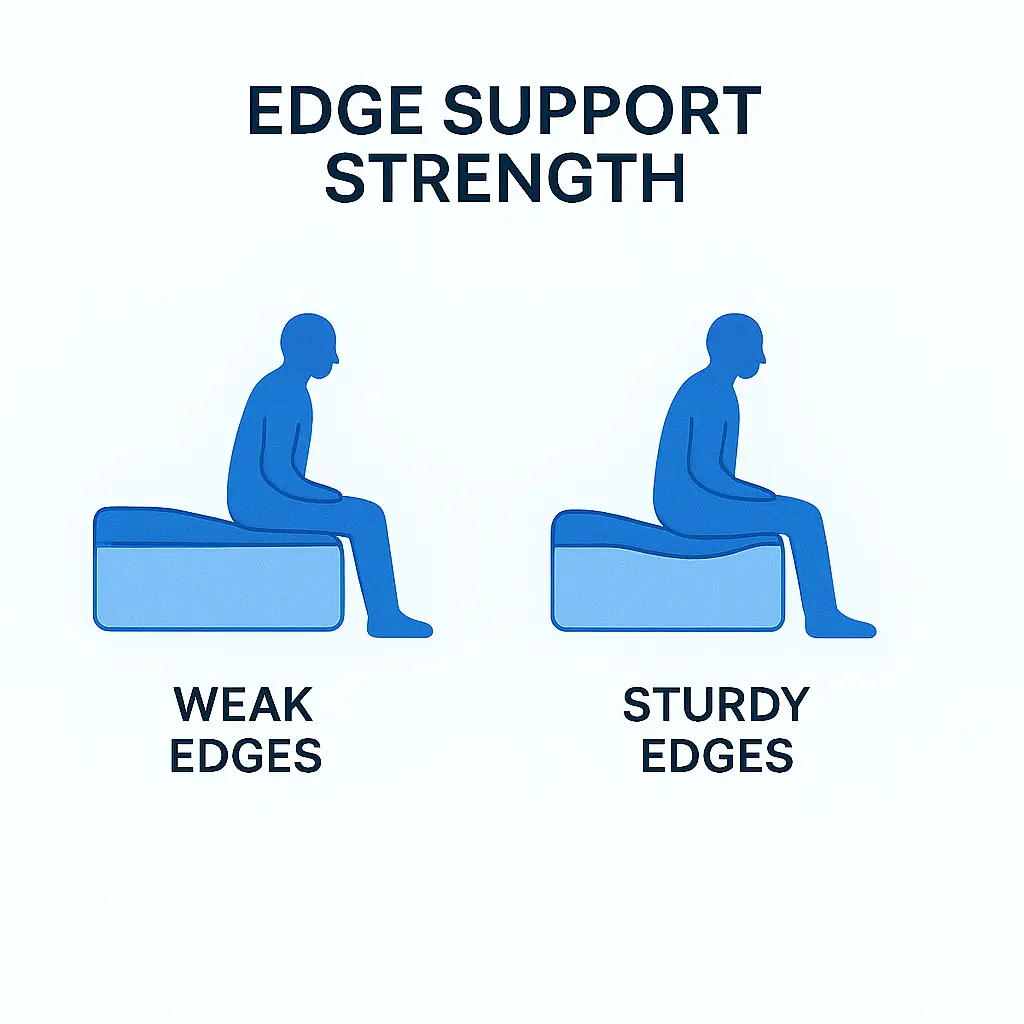
Key Benefits of Strong Edge Support and Stability
- Reinforced perimeter: Prevents edge collapse and creates a sturdy surface when sitting or easing into bed.
- Better mobility: Makes movements like turning, repositioning, or rising from the bed easier and less painful.
- Full sleep surface: Allows you to use the entire mattress without worrying about rolling off the sides.
- Couples support: Helps minimize motion transfer and keeps the mattress from dipping unevenly under different body weights.
- Improved durability: Reduces structural breakdown and sagging over time, helping prevent worsening chronic discomfort.
Readers needing easier mobility or better bed height for chronic pain may like these space-saving bed frame picks that combine sturdy edges, stable support, and compact layouts for safer nighttime movement.
A mattress with dependable edge support and stable construction provides both safety and comfort, especially for those who experience pain during transitions.
When selecting beds, prioritize reliable edge support and overall stability to achieve better pain relief and a supportive sleep setup.
By choosing a bed that offers reliable perimeter reinforcement, you create a supportive environment that helps reduce strain and makes everyday movement easier.
Hot sleepers with joint pain may want to explore the benefits of a wool mattress, known for breathability, temperature balance, and natural contouring that helps reduce stiffness and support sensitive pressure points.
Mattress Construction Layers Explained
Comfort Layers and Their Role in Pressure Relief
The top layers of a mattress play a major role in determining how it feels and performs for sleepers with chronic pain. High-quality comfort layers made from memory foam, latex foam, or copper-infused memory foam contour to the body and help relieve pressure along areas like the shoulders, hips, and lower back.
These layers create a buffer between the sleeper and the support core, offering a more personalized feel and reducing the tension that builds throughout the night. When the comfort layer performs well, sleepers experience less pressure buildup, fewer nighttime awakenings, and improved overall comfort.
Memory foam is known for its ability to closely adapt to the body, while latex offers a responsive feel and helps prevent heat retention for people prone to sleeping hot.
Support Cores and Coil Systems That Enhance Alignment
Below the comfort layers is the support core, which includes either a dense foam base or a coil system. Hybrid mattresses combine foam layers with pocketed coils to offer both contouring and robust support.
A supportive coil system helps maintain a stable surface, and pocketed coils respond independently to movement, improving motion isolation and reducing disruptions from a partner shifting positions.
These coils also help sleepers avoid excessive sinkage, which can strain the spine or cause discomfort for individuals with chronic back or hip pain. A well-designed coil layer also enhances edge support, making it easier for people with pain to sit or lie near the edge of the bed without feeling unstable.
Specialty Materials and Temperature Management
Many modern mattresses use innovative materials to improve overall comfort. Copper-infused memory foam, gel-infused foams, and cooling covers help regulate surface temperature, which is essential for individuals who retain body heat or frequently sleep hot.
Latex mattresses, natural materials, and breathable covers help create a more temperature-neutral sleep environment, while hybrid designs improve airflow thanks to their coil layers.
For sleepers who wake with stiffness or discomfort from overheating, these cooling materials can significantly improve sleep quality and reduce nighttime restlessness.
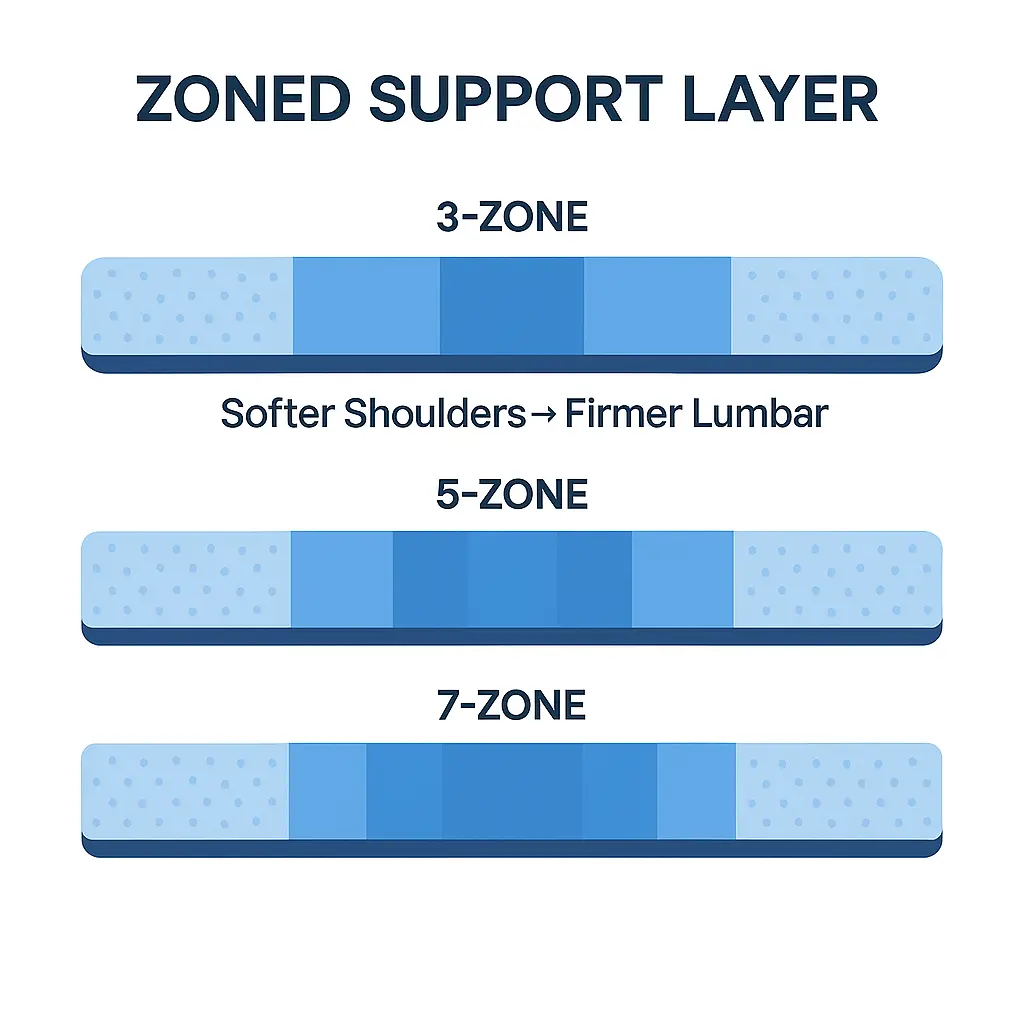
Specialty layers, such as zoned lumbar support or targeted support regions, further enhance spinal alignment and create a more supportive mattress for chronic pain relief.
Temperature Regulation for Hot Sleepers
Temperature regulation plays an essential role in comfort, especially for chronic pain sufferers who may wake more frequently when the body overheats.
Certain mattress materials trap heat and tend to retain body heat, which can intensify nighttime discomfort, while others promote airflow and help maintain a cooler sleep surface.
Finding the right temperature balance helps reduce awakenings, tossing and turning, and inconsistent sleep cycles—all of which are important for managing chronic pain.
Temperature regulation also becomes more important for sleepers dealing with discomfort, as overheating can worsen tension in the muscles.
Models made with breathable foams or cooling covers help promote airflow, allowing even hot sleepers to stay cool throughout the night. Some mattresses include gel-infused layers that move a fair amount of heat away from the body, creating a more comfortable sleep environment.
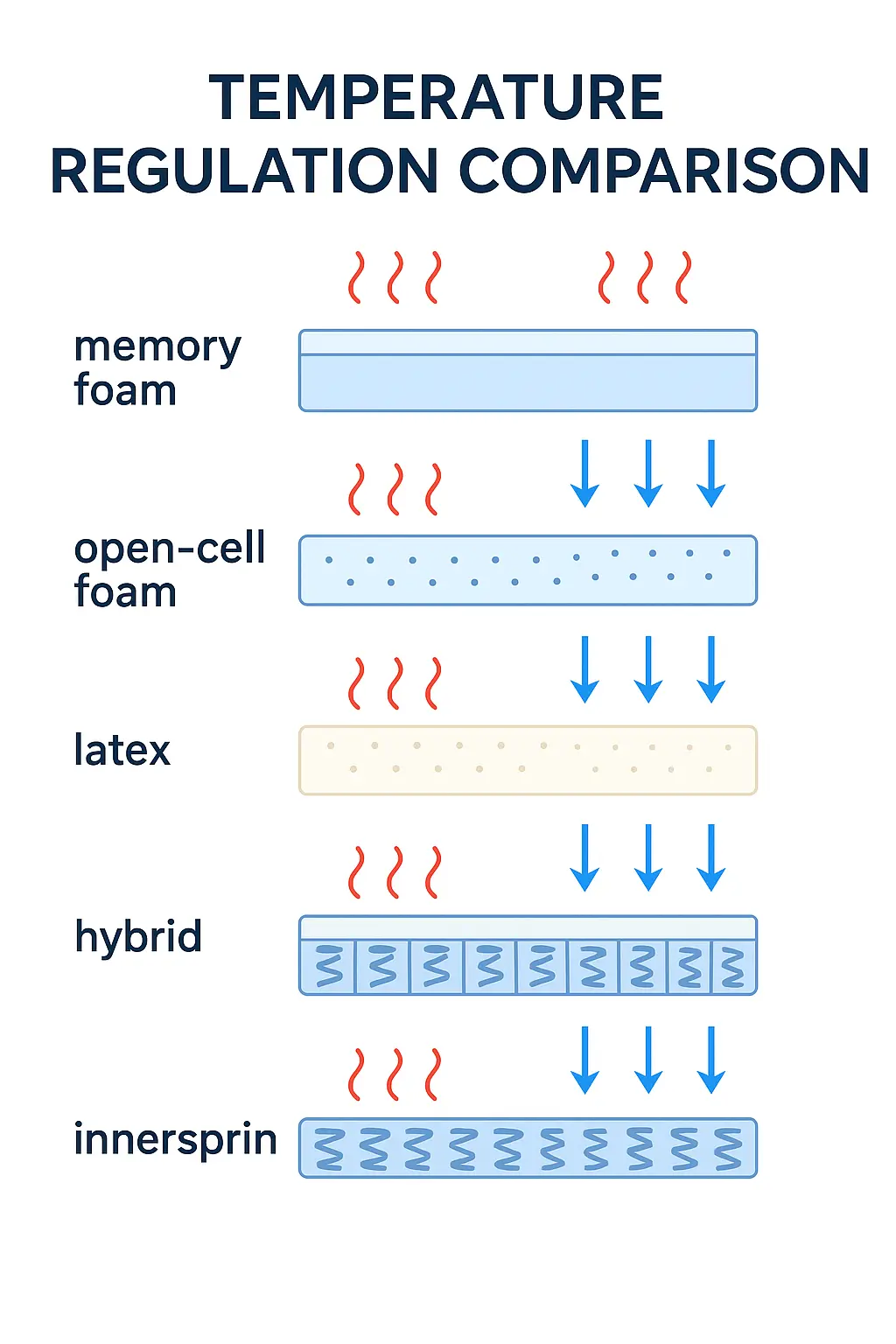
Cooling Features That Help Hot Sleepers Reduce Discomfort
- Breathable materials: Latex, hybrid coils, and open-cell foams allow air to circulate, reducing heat buildup.
- Cooling gel or phase-change covers: Designed to draw heat away from the body and maintain a stable temperature.
- Moisture-wicking fabrics: Help disperse body heat and reduce the clammy feeling that interrupts sleep.
- Ventilated support cores: Coil systems and perforated foam layers prevent warm air from becoming trapped.
- Temperature-neutral designs: Mattresses that resist heat retention provide more consistent comfort through the night.
- Helps you stay cool: Cooling features are designed to keep sleepers cool throughout the night, improving comfort and sleep quality.
A mattress with cooling features can make a significant difference for anyone whose pain worsens with heat or who experiences nighttime restlessness. By choosing materials that regulate temperature effectively, you’ll reduce sleep disruptions and give your body the calm, supportive environment it needs to recover.
Body Weight, Body Shape & Mattress Choice
How Body Weight Influences Support Needs
Different body types require different levels of support to maintain healthy alignment.
People who weigh more often need stronger support cores, firmer comfort layers, and thicker mattress constructions to prevent excessive sinkage. Hybrid mattresses with supportive coil systems and dense foam cores offer ample support and help distribute weight across the sleep surface.
Lighter-weight sleepers, on the other hand, may prefer softer comfort layers with enough cushioning to contour closely to the body without feeling rigid. Understanding how your body weight interacts with a mattress’s ability to contour and support can make a major difference in overall sleep comfort.
The body types experience chronic pain differently, and people with more weight often need a mattress with stronger support layers to maintain stability. Sleepers who experience trouble moving during the night may prefer a responsive hybrid that prevents excessive sinkage and supports smoother transitions between positions.
When matched correctly, a supportive mattress helps sleepers feel secure and maintain better posture.
Considerations for Body Shape and Sensitive Areas
Body shape also plays a role in determining which mattress feels most comfortable. People with broader shoulders or wider hips may need more pressure relief in those areas, while sleepers with a straighter body profile may be more comfortable on firmer surfaces.
Sensitive areas like the lower back, hips, and shoulders can benefit from zoned lumbar support or targeted cushioning. Mattresses that adapt well to changing positions and provide a stable surface are especially valuable for individuals with chronic pain because they help maintain alignment across a variety of postures.
Why a Personalized Fit Matters for Pain Relief
Because no two sleepers experience pain the same way, selecting a mattress that aligns with your unique body type is essential.
A well-matched mattress provides enough support, prevents pressure buildup, and ensures the sleeper does not feel stuck or unsupported during the night.
Mattresses with multiple firmness options or hybrid constructions can offer greater customization and better adapt to different body shapes. When sleepers feel supported and secure, they experience less nighttime discomfort and wake with fewer tension points.
Larger mattresses like a California king can offer more space for repositioning, which can be important when managing chronic pain.
Some models provide exceptional performance at an affordable price, delivering high-end features without sacrificing durability. These mattresses represent a great value for sleepers wanting long-term comfort and support.
Customization and Adjustability Options
Chronic pain can fluctuate from day to day, making mattress adjustability an important feature for many sleepers. A customizable sleep surface allows you to fine-tune firmness, support, and overall feel based on how your body responds each night.
Customizable mattresses often offer different firmness options, so users can select the level that best matches their changing comfort needs.
Whether your pain varies with activity level, inflammation, or sleeping position, the ability to modify your mattress can help you maintain comfort and alignment.
Adjustable designs are also helpful for couples with different support needs, ensuring both people sleep comfortably without compromise.
Mattress Adjustability Features That Support Chronic Pain Relief
- Dual-firmness options: Ideal for couples or individuals who need different levels of support on each side of the bed.
- Adjustable bases: Elevate the head or legs to reduce lower-back tension, hip compression, and acid reflux discomfort.
- Airbed systems: Allow precise firmness control using internal air chambers that can be softened or firmed instantly, offering multiple firmness levels for personalized comfort.
- Modular foam layers: Enable sleepers to swap or reposition comfort layers to increase contouring or lift as needed.
- Zoned support systems: Provide targeted firmness under the lumbar region, shoulders, or hips to address specific pain points.
Having the option to adjust your mattress gives you more control over your comfort, especially when chronic pain fluctuates or intensifies.
By choosing a setup that adapts to your body rather than forcing your body to adapt to the mattress, you can achieve more consistent relief and deeper, restorative sleep.
Mattress Brands and Models That Help With Chronic Pain
Why Certain Mattresses Perform Better for Pain Relief
Some mattresses undergo more rigorous hands-on testing and are specifically designed to support individuals with chronic pain.
These models often include multiple firmness options, zoned lumbar support, and advanced materials to improve contouring and spinal alignment. Mattresses like the Helix Midnight Luxe, Bear Elite Hybrid, Leesa Sapira Chill Hybrid, and Saatva RX are engineered with pressure relief and stable support in mind.
Their hybrid design, cooling materials, and responsive comfort layers help reduce morning stiffness and offer a balance of cushioning and structural reinforcement. For sleepers wanting a mattress that minimizes motion transfer while still delivering exceptional support, these models often stand out during testing.
Performance Highlights From Popular Hybrid Models
The Bear Elite Hybrid is known for its targeted support zones, which enhance lumbar stability and help reduce pressure along the spine.
The Helix Midnight Luxe provides great pressure relief for side sleepers thanks to its plush pillow top and excellent motion isolation. Saatva RX, specifically designed for chronic pain and spine alignment, features a high-density coil system and a stable surface that supports a wide range of body types.
The Leesa Sapira Chill Hybrid offers exceptional cooling performance for hot sleepers while delivering a responsive feel that prevents the sensation of sinking too deeply into the mattress. Each of these mattresses excels in areas like support, comfort layers, cooling materials, and durability.
A well-designed mattress must provide enough support to prevent misalignment while still offering materials that provide cushioning around sensitive joints.
Sleepers who prefer to gently sink in may gravitate toward memory foam comfort layers, while individuals needing more pushback might choose a latex or hybrid alternative. The right balance is essential for relieving pressure without compromising spinal stability.
How to Choose the Right Model for Your Needs
Choosing among these models depends on personal preferences, body type, and pain profile. Side sleepers may gravitate toward designs with more cushioning, while back sleepers or individuals who struggle to shift positions may prefer firmer, more supportive hybrids.
Many of these mattresses come with long sleep trials ranging from 120 nights to 365 nights, along with generous warranties that allow sleepers to test the mattress at home.
People with severe back pain often find that mattresses offering zoned lumbar support or firmer surfaces provide more consistent support throughout the night.
Those who want a luxury model without sacrificing support may prefer hybrids with a pillow top or thicker comfort layers that maintain both contouring and stability.
Material Quality, Durability & Warranty
When living with chronic pain, mattress quality and durability matter more than aesthetics or brand hype. A high-quality mattress maintains its structure, resists sagging, and continues to provide balanced support over time.
Lower-quality materials tend to soften, break down, or dip unevenly, which can push your spine out of alignment and worsen pain.
For affordable spinal support, the Milliard mattress overview explains how traditional polyfoam and contouring foam layers offer enough support, helping lighter individuals and budget shoppers improve their overall sleep quality.
Because chronic pain sufferers rely heavily on consistent support, choosing a mattress with proven material integrity is essential for long-term relief and comfort. Investing in a good mattress is crucial for maintaining the support and comfort needed to manage chronic pain effectively.
Sleep trials and warranties play a key role in choosing a mattress when living with pain. A 120-night trial period gives the body adequate time to adjust and evaluate whether the mattress improves symptoms. Premium models frequently include a 10-year warranty or even a full year warranty, offering long-term protection and peace of mind.
Key Material and Warranty Features to Look For
- High-density foams: Offer better durability and maintain their shape longer than low-density alternatives.
- Tempered steel coils: Provide long-lasting support without premature sagging or motion weakness.
- Natural latex: Naturally resilient, supportive, and resistant to impressions compared to synthetic foams.
- Reinforced edge support: Prevents collapse and maintains stability along the mattress perimeter.
- Comprehensive warranties: Cover sagging beyond a specified depth, protecting against premature material failure.
Investing in a well-constructed mattress with a reliable warranty ensures that your sleep surface remains supportive and pain-relieving for many years.
Strong materials and sound construction help maintain long-lasting comfort, making it easier to manage chronic pain with fewer nighttime disruptions.
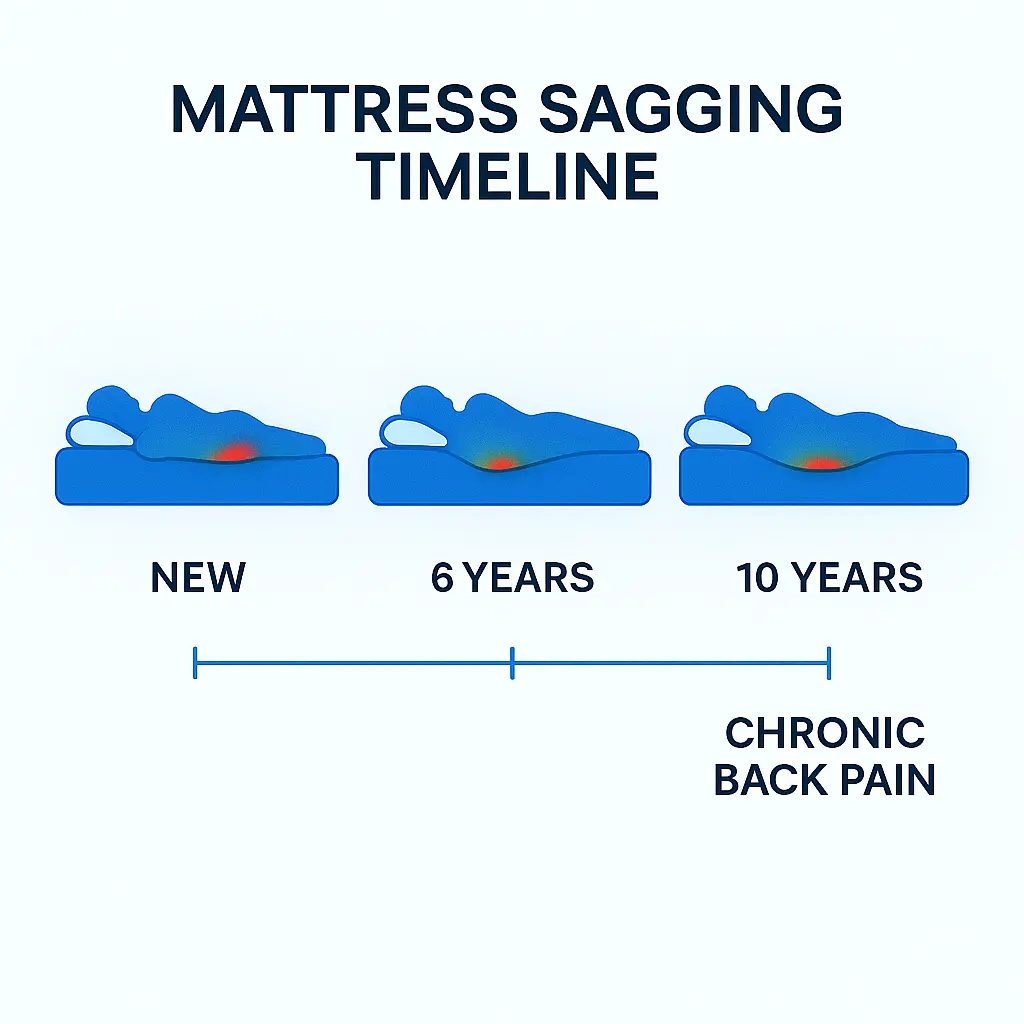
When to Replace an Old Mattress
An aging mattress can make chronic pain significantly worse, even if it once felt supportive. Over time, materials break down, comfort layers compress, and support zones weaken—all of which can disrupt sleep and contribute to ongoing discomfort.
Many people with chronic pain continue using an old mattress far beyond its functional lifespan, not realizing that nightly stiffness, aching joints, or increasing pressure points are early warning signs of deterioration.
Recognizing when your mattress is no longer supporting your body's recovery is essential for maintaining comfort and long-term pain relief.
Athletes or active adults with chronic muscle pain may appreciate the Zoma mattress, designed for performance recovery with responsive support, pressure relief, and a firmness level that maintains proper spinal alignment.
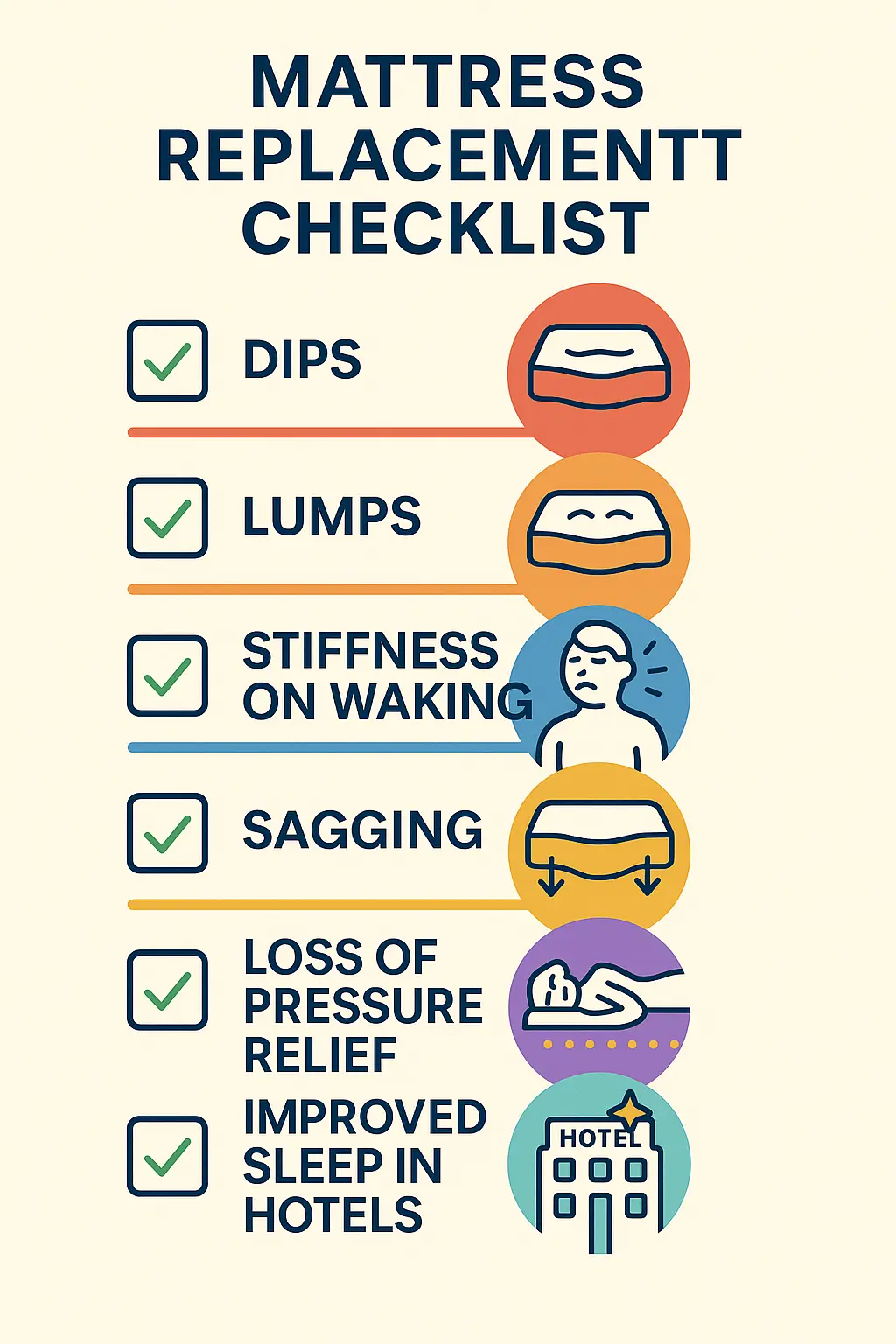
- Better sleep elsewhere: If you recently slept better in a hotel or on a guest bed than at home, it may indicate that your current mattress is no longer adequate. This comparison can highlight how your mattress is affecting your sleep quality and comfort.
Signs It’s Time to Replace Your Mattress
- Visible sagging: Indentations or dips where your body rests can distort spinal alignment.
- Increased morning pain: Waking with stiffness or soreness suggests the mattress is no longer supportive.
- Uneven cushioning: Lumps, soft spots, or collapsing edges signal worn-out materials.
- Age of the mattress: Most mattresses lose effectiveness between 6 and 10 years, depending on the materials.
- Better sleep elsewhere: Sleeping comfortably in a hotel or guest bed is often a clear indicator that your current mattress is underperforming.
Replacing an old mattress before it significantly impacts your sleep can make a major difference in managing chronic pain.
A new, supportive mattress helps maintain alignment, reduces pressure on sensitive areas, and allows your body to recover each night more effectively.
Consulting Healthcare Professionals
When chronic pain becomes a daily challenge, choosing the right mattress shouldn’t rely on guesswork alone. Healthcare professionals—such as physical therapists, chiropractors, pain specialists, and orthopedic doctors—can offer valuable insights based on the source of your pain, your posture, and your mobility needs.
These experts can provide personalized recommendations tailored to your medical history and specific pain condition, ensuring you receive advice that fits your unique situation.
Their recommendations often go beyond generic mattress advice, focusing instead on the specific alignment, firmness, and pressure-relief features that will best support your body.
Getting expert guidance ensures your mattress choice aligns with your long-term health goals and provides a clearer path toward improving nightly rest.
Elevating the upper body can help chronic pain and breathing issues; this guide on adjustable beds for sleep apnea shows how adjustable positions improve posture and reduce pressure on joints.
Benefits of Getting Professional Guidance for Mattress Selection
- Personalized evaluation: Professionals can assess your posture, pain patterns, and alignment needs.
- Targeted recommendations: Advice tailored to conditions like sciatica, arthritis, scoliosis, or fibromyalgia.
- Improved sleep strategy: Insights into optimal sleep positions and pillow setups for pain reduction.
- Prevention focus: Helps avoid mattress choices that may worsen symptoms over time.
- Holistic approach: Combines mattress selection with stretching, exercise, or therapy routines.
Consulting a healthcare professional can help you avoid costly mistakes and choose a mattress that genuinely supports your body.
Their guidance ensures you’re not just picking a comfortable surface but investing in a sleep foundation designed to reduce pain and support long-term recovery. For more insights, see "Mattress Myths and Misconceptions Debunked."
Trying Out a Mattress: In-Store Testing & Sleep Trials
Testing a mattress in person—or using a sleep trial—helps you understand whether the surface offers enough support for chronic pain.
Because people tend to sleep differently at home, new mattresses often feel more comfortable once you settle into your preferred sleeping position.
Lighter individuals, especially those who experience neck pain or shoulder stiffness, may notice subtle changes in contouring or pressure relief.
Trying a mattress also helps you compare firmness level differences and identify whether a model made with organic materials, pocketed coils, or traditional polyfoam aligns with your comfort needs and promotes a consistently good night’s sleep.
Thoroughly testing a mattress increases your chances of finding one that delivers a better night's sleep.
The most important thing when managing chronic pain is choosing a mattress that delivers the right amount of cushioning and support. A carefully selected mattress can help reduce stiffness and promote healthier alignment for most people, regardless of their preferred sleeping position. While hybrids remain a great option, memory foam or latex are also a good option for sleepers who want deeper contouring. Some sleepers may find that other types of mattresses offer the exact combination of comfort and lift they need for long-term relief.
Smart Ways to Test a Mattress Before You Commit
- Try multiple firmness options to see how each mattress supports your spine and joints.
- Lie in your typical sleeping posture to evaluate alignment and overall comfort.
- Test mobility and edge support to ensure repositioning does not increase discomfort.
- Pay attention to how the materials respond during movement and pressure shifts.
- Use the full trial period to evaluate long-term comfort and support, aiming for a consistently good night's sleep.
Testing a mattress thoroughly—both in-store and at home—ensures you choose a surface that reduces pain rather than amplifying it.
When you give your body enough time to adjust, you’re more likely to select a mattress that genuinely improves nightly rest and long-term comfort, helping you achieve a good night's sleep.
Trial Periods, Warranties & Sleep Accessories That Reduce Pain
Why Trial Periods Matter for Chronic Pain Sufferers
For people managing chronic pain, a long sleep trial is one of the most important features to look for when choosing a new mattress.
Trials ranging from 120 nights to 365 nights allow sleepers to experience how the mattress performs through multiple sleep cycles and pain patterns.
Chronic pain can fluctuate over time, so extended trials help ensure the mattress provides consistent relief. If the mattress does not provide the right amount of support or pressure relief, these policies allow you to return it for a full refund without any risk.
Warranties and Build Quality as Indicators of Durability
Mattresses backed by strong warranties, often 10 years or more, are generally built with higher-quality materials designed to withstand long-term use.
Chronic pain sufferers benefit from a mattress that maintains its structure and support without sagging or developing soft spots.
A durable, well-made mattress preserves its ability to support natural curves, maintain stability, and deliver pressure relief across many years. Premium models often include white glove delivery, ensuring proper setup and reducing the physical strain of lifting or installing a new bed.
Accessories That Boost Comfort and Reduce Pain
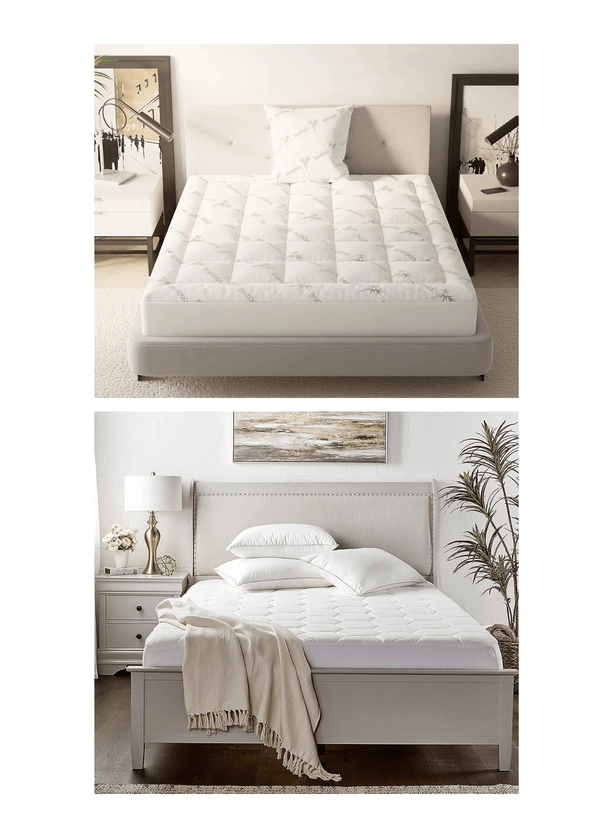
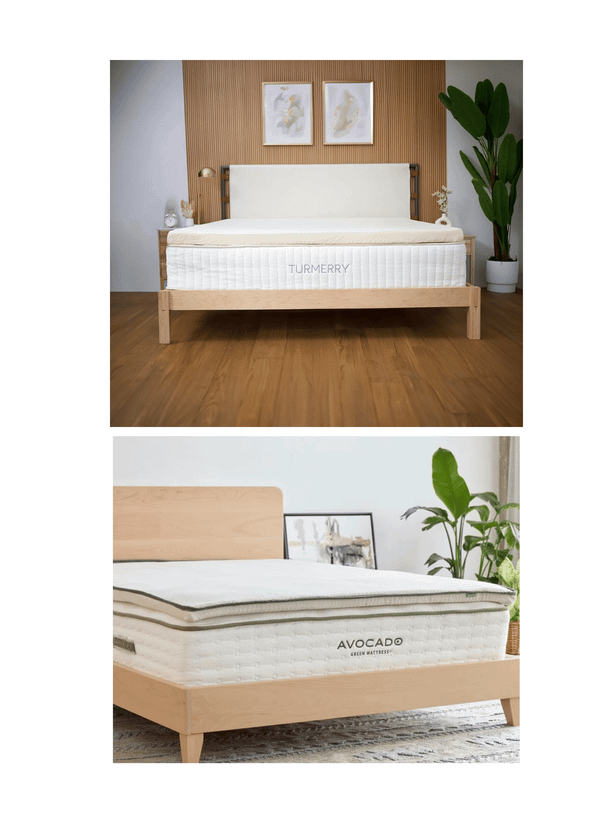
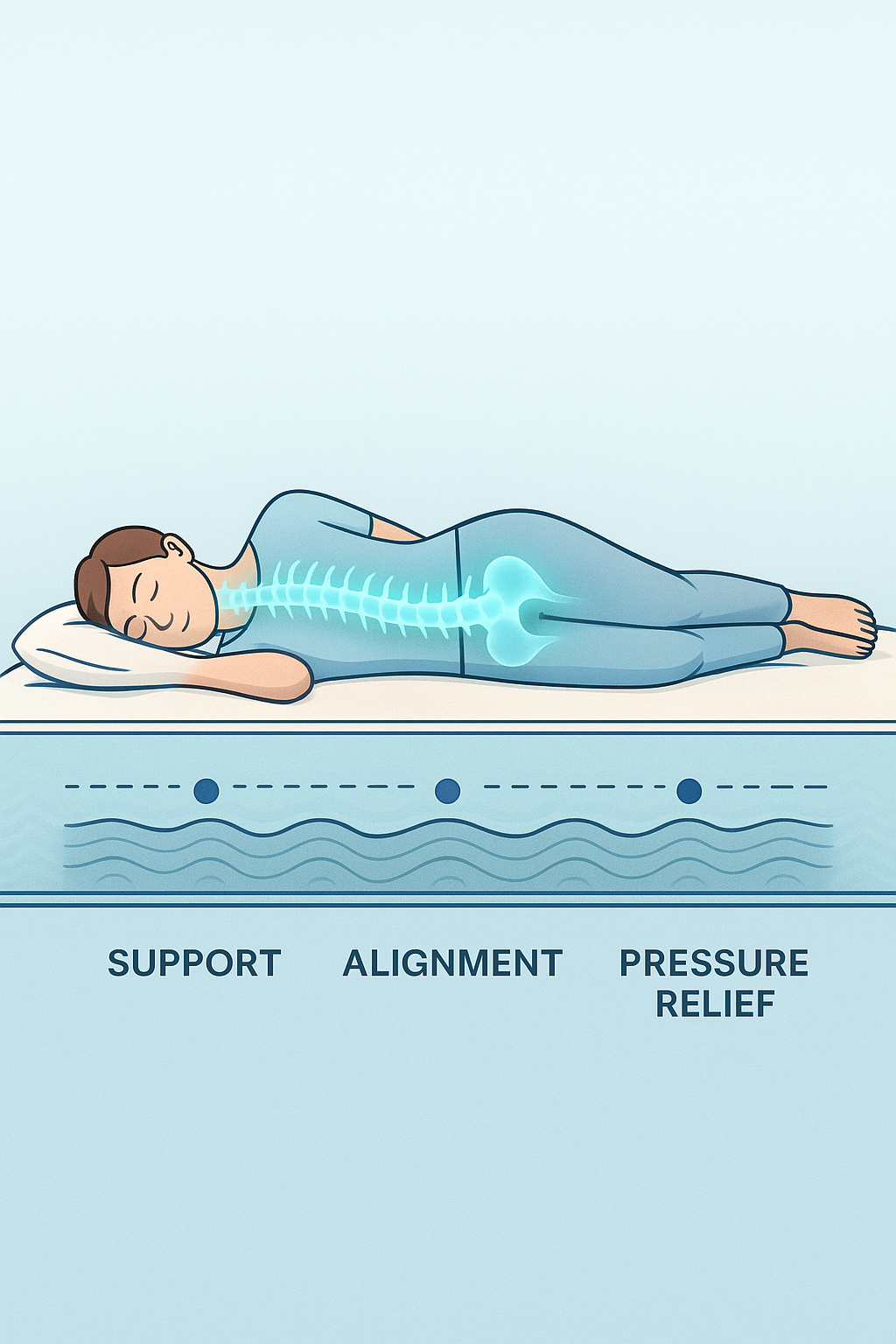
The right sleep accessories can enhance the performance of any mattress. Mattress toppers designed to provide additional support or cushioning can make a too-firm mattress feel more balanced or add contouring for people experiencing sensitive pressure points.
Cooling covers are helpful for sleepers who retain body heat, while free sleep accessories included with certain mattresses, such as pillows or protectors, add value and improve overall comfort.
Combining a supportive mattress with accessories tailored to your specific pain concerns can yield a more comfortable, restorative night’s sleep.
Maintaining a Healthy Sleep Environment
A supportive sleep environment can make a significant difference for people managing chronic pain. Optimizing your sleep environment can significantly improve your overall sleep quality, especially for those with chronic pain.
Even the best mattress cannot work effectively if the surrounding conditions make it difficult for your body to relax.
Temperature, lighting, noise, and overall sleep hygiene all influence how deeply and consistently you sleep.
Creating a calm, structured nighttime routine helps reduce physical tension and prepares your body for restorative rest. Small adjustments—like controlling the room temperature or choosing the right pillow—can significantly reduce tossing and turning and unnecessary strain on sensitive joints or muscles.
Simple Ways to Improve Your Sleep Environment
- Keep your bedroom cool, quiet, and dark to support deeper, more consistent rest.
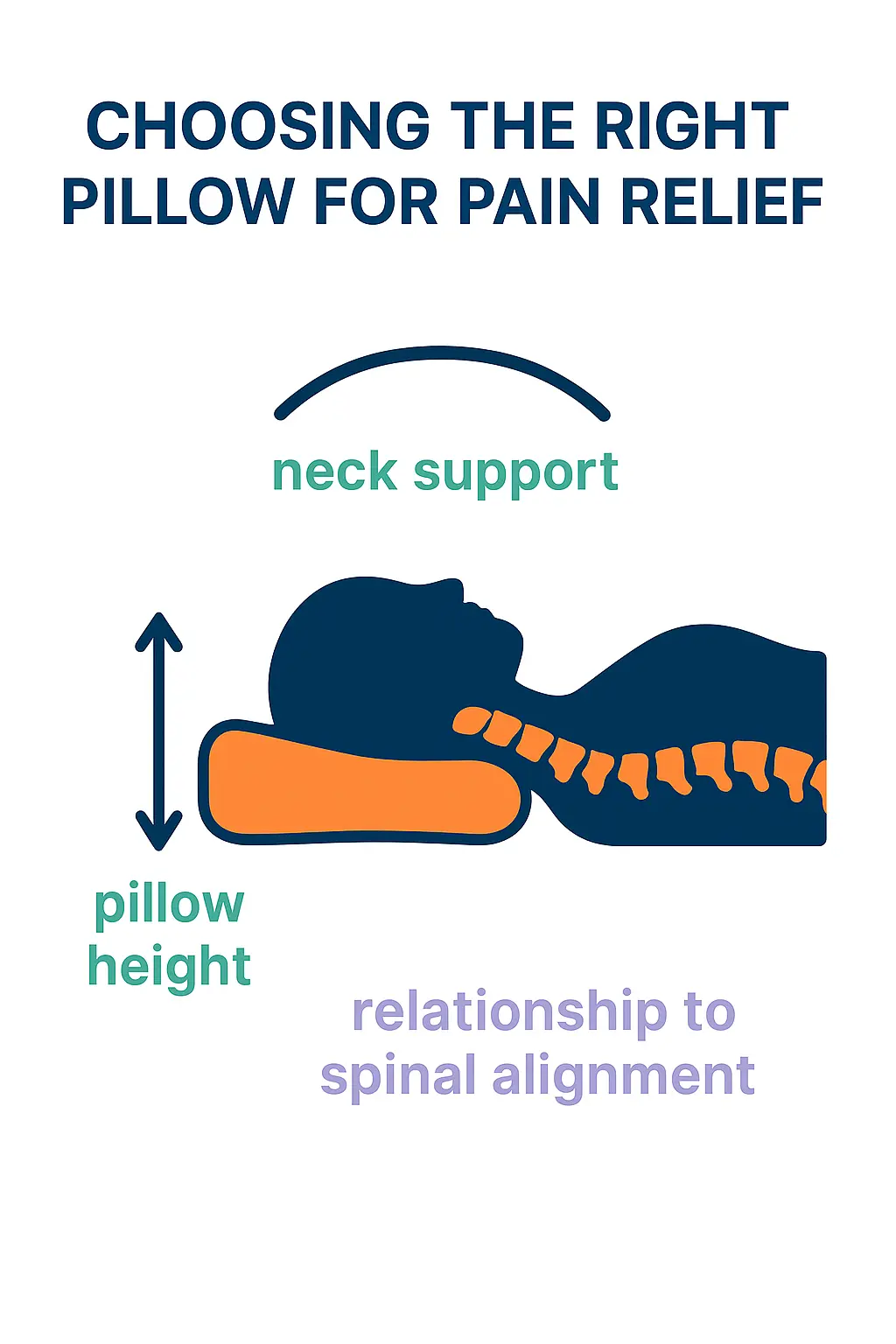
- Use supportive pillows that align the head, neck, and spine based on your sleeping position.
- Reduce screen time before bed to calm the nervous system and prevent overstimulation.
- Maintain a consistent sleep schedule to stabilize circadian rhythms and reduce nighttime restlessness.
- Incorporate relaxation techniques such as stretching, deep breathing, or light meditation before bed.
Cultivating a healthy sleep environment works hand in hand with the right mattress to relieve chronic pain.
By reducing external disruptions and creating a calming nighttime routine, you give your body the best chance to relax, recover, and wake with less discomfort.
Selecting the Right Mattress
Selecting the right mattress is a key step in managing chronic pain and enhancing sleep quality. With so many mattresses on the market, it can feel overwhelming to find the one that best meets your needs.
However, by focusing on a few essential factors—such as support, pressure relief, and your unique pain concerns—you can narrow down your options and choose a mattress that helps you sleep better and feel less pain.
The right mattress can make a significant difference in your nightly comfort and overall well-being.
A Step-by-Step Guide to Making Your Final Choice
When it’s time to choose a new mattress, start by considering the type of mattress that best suits your needs.
Memory foam mattresses are popular for their ability to contour closely to the body, providing excellent pressure relief for sensitive areas.
Hybrid mattresses combine the support of innerspring coils with the comfort of foam or latex, offering a balanced feel that suits many sleepers. Latex mattresses are known for their breathability, resilience, and eco-friendly materials, making them a great choice for those seeking a supportive and natural sleep surface.
Next, think about firmness level. Firmer mattresses are often ideal for back sleepers, as they help maintain spinal alignment and prevent sagging.
Stomach sleepers also benefit from a firmer mattress to keep their hips and shoulders level. Side sleepers, on the other hand, usually need a softer mattress to cushion pressure points at the shoulders and hips.
If you change positions throughout the night, a medium-firm mattress or a medium-firm mattress can provide the versatility and support needed for multiple sleeping positions.
Don’t overlook edge support—mattresses with sturdy edges offer a larger usable sleep surface and make it easier to get in and out of bed.
Look for mattresses made with breathable materials and cooling features, such as ventilated foam or moisture-wicking covers, to help regulate temperature and keep you comfortable all night.
Finally, take advantage of a sleep trial to test the mattress at home and ensure it meets your needs for support, pressure relief, and comfort.
By carefully considering mattress type, firmness level, sleeping position, edge support, materials, and the option for a sleep trial, you can confidently select a mattress that supports your body, reduces pain, and promotes a better night’s sleep.
How Do I Choose the Right Mattress for Chronic Back Pain?
- Identify your sleep position (side, back, stomach) to determine proper firmness and support.
- Check spinal alignment by ensuring your hips and shoulders stay level on the mattress.
- Look for pressure-relief materials, like memory foam or zoned-support hybrids.
- Test lumbar support, especially around the lower back where sagging worsens pain.
- Review trial periods + warranties so you can test the mattress at home without risk.
How Can I Tell If My Current Mattress Is Causing Chronic Pain?
- Scan for sagging or dips, especially in the hip and lumbar zones.
- Notice morning symptoms such as stiffness, shoulder pain, or numbness.
- Test support by lying flat—check if your spine feels neutral or strained.
- Compare sleep on other surfaces, like a hotel bed, couch, or guest room.
- Evaluate mattress age—anything older than 7–10 years often loses essential support.
How Do I Test a Mattress In-Store to See If It Helps Chronic Pain?
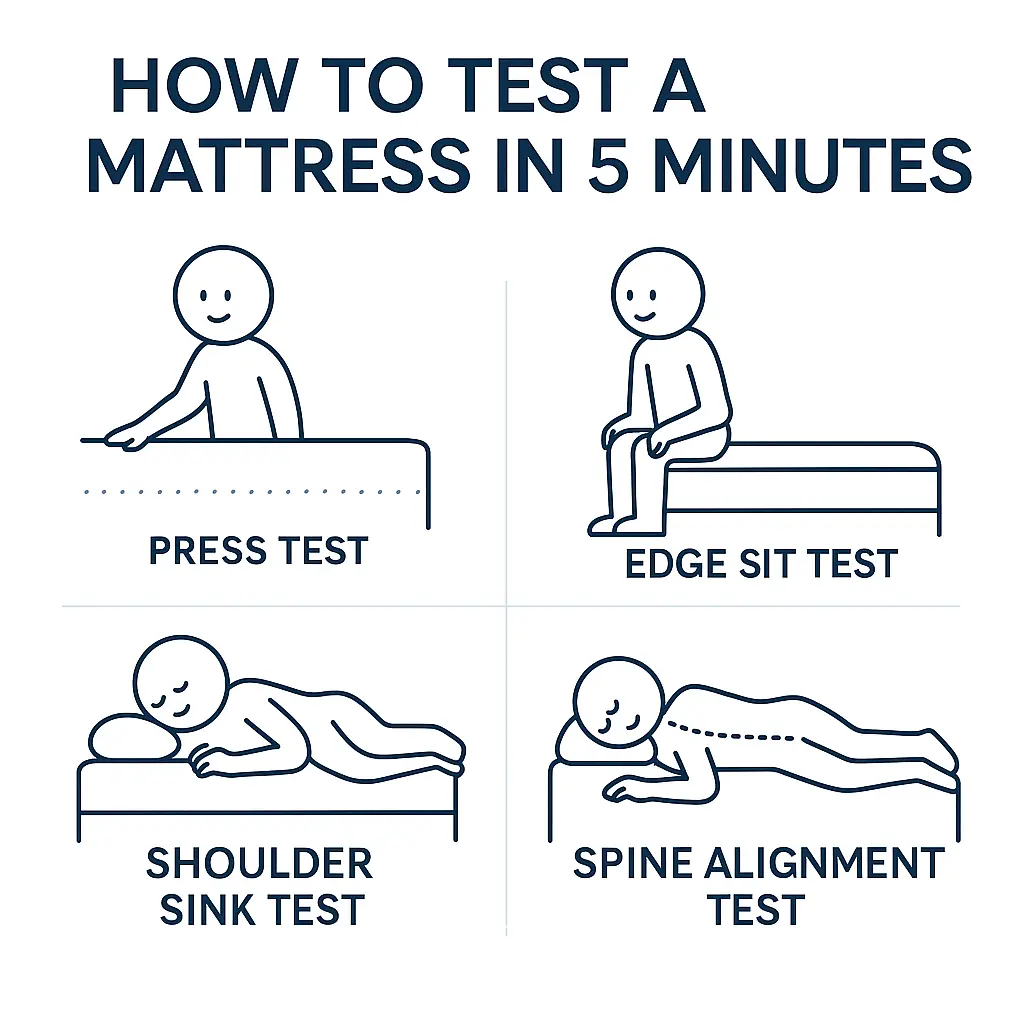
- Lie in your normal sleep position for at least 5 minutes per side.
- Perform the shoulder/hip pressure check—do these areas feel cushioned or compressed?
- Check ease of movement by rolling from side to side (mobility = less pain).
- Sit along the edge to test sturdiness, especially if you struggle standing up.
- Check spinal alignment using a mirror or companion to ensure your back stays straight.
Final Thoughts
Choosing a mattress for chronic pain isn’t just about comfort—it’s about giving your body the right balance of support, pressure relief, and alignment every night.
The right sleep surface can minimize stress on sensitive joints, reduce muscle tension, and help you ease into deeper, more restorative sleep.
When you understand how materials, firmness, and sleep position influence your pain levels, it becomes much easier to identify a mattress that truly supports healing rather than aggravating discomfort.
Key Takeaways for Chronic Pain Relief
- Prioritize spinal alignment and consistent support across the entire sleep surface.
- Match the mattress firmness to your sleeping position and pain location.
- Consider cooling features if heat worsens your discomfort or disrupts sleep.
- Look for durable materials that maintain structure and resist sagging over time.
- Take advantage of sleep trials to evaluate long-term comfort at home.
Finding the right mattress may take time, but the payoff is significant: deeper sleep, less morning stiffness, and improved overall comfort.
When your mattress supports your body the way it should, managing chronic pain becomes easier—and restful sleep finally becomes more attainable.
FAQS
What firmness level is best for chronic pain?
A medium-firm mattress usually works best because it keeps the spine aligned while offering good pressure relief. However, your ideal firmness depends on your sleeping position and the location of your pain. Side sleepers often prefer a slightly softer feel, while stomach and back sleepers may need more support.
What type of mattress is best for chronic pain?
The best type of mattress for chronic pain is one that maintains alignment and reduces pressure. Memory foam mattresses excel at contouring, while hybrids offer balanced lift and back pain relief. Your sleep position and pain pattern determine which construction provides the most excellent pressure relief.
Can a mattress really help reduce chronic back or hip pain?
Yes. A supportive mattress can ease chronic back pain by keeping your spine aligned and minimizing pressure on sensitive joints. When a mattress loses structure or sinks unevenly, pain often increases. Choosing a model with consistent support and good pressure relief can noticeably improve comfort.
What type of bed fits me if I have constant back pain?
People with chronic back pain typically benefit from a medium-firm mattress that maintains alignment and provides steady lumbar support. Hybrids and foam models with more support help prevent sagging and reduce strain. Your sleeping position ultimately determines which mattress feels most stabilizing and pain-reducing.
Is a memory foam or a hybrid mattress better for chronic pain?
Memory foam mattresses offer deeper contouring and excellent pressure relief, ideal for shoulder or hip pain. Hybrids combine coils with foam for more support, making them better for mobility and chronic back pain. Your pain location and sleeping position determine which sleeping position best keeps your spine aligned.